

impact

Evaluation REport
Learn more about the ROC’s impact in our Evaluation Report and Executive Summary for Year 2 (2024-25). Our Year 3 (2025-26) Evaluation Report will be released in Fall 2026. To request a report in another language, please email info@richmondcaoutdoors.org.
Impact areas
Education
Academic engagement
Social emotional growth

health and wellness
Mental and physical wellness
Positive youth development
Social bonds
Confidence

social justice
Belonging and connection
Access to nature

JOY
An entry point and a sustaining force for deeper engagement
We partner with Nystrom Elementary, Verde K–8, DeJean Middle School, and Richmond High School to bring nature-based programs directly to students and families.
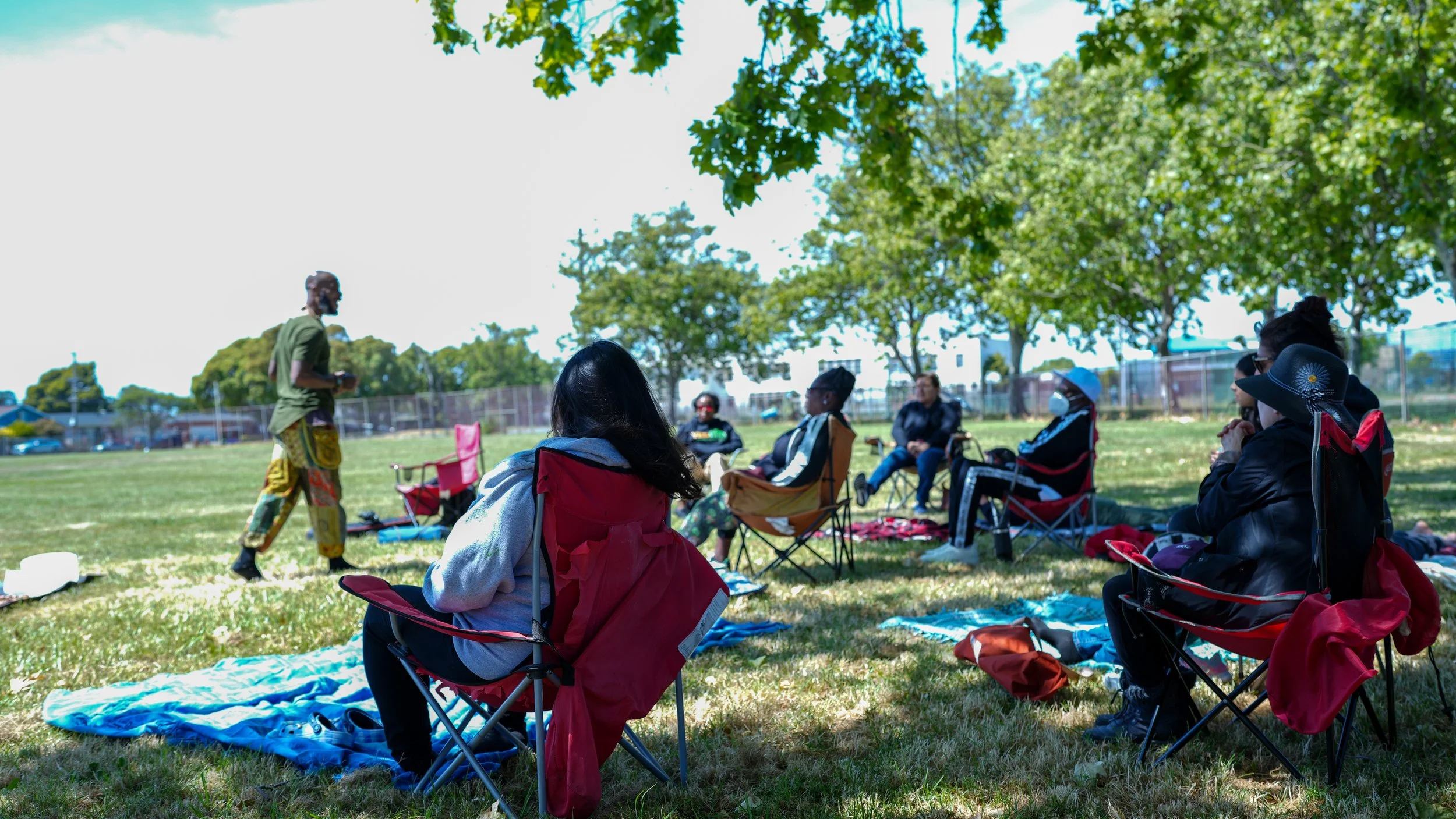
Each year, more than 1,000 children, youth, and families from TK–12th grade take part in our programs, spending an average of 34 hours outdoors and engaging in an average of five unique experiences per participant.
Across two years, ROC programs have measurably improved:
academic engagement and social-emotional growth
mental and physical wellness
quality of social bonds and connection to the outdoors
access and belonging to the outdoors and community
Teachers report stronger learning and connection in students, families describe healthier habits and deeper bonds and youth express a growing sense of identity and stewardship toward the natural world.
Reach & Depth
34
200+
programming hours per participant
programs
7,070
program engagements
5
1,414
program experiences per participant
program participants
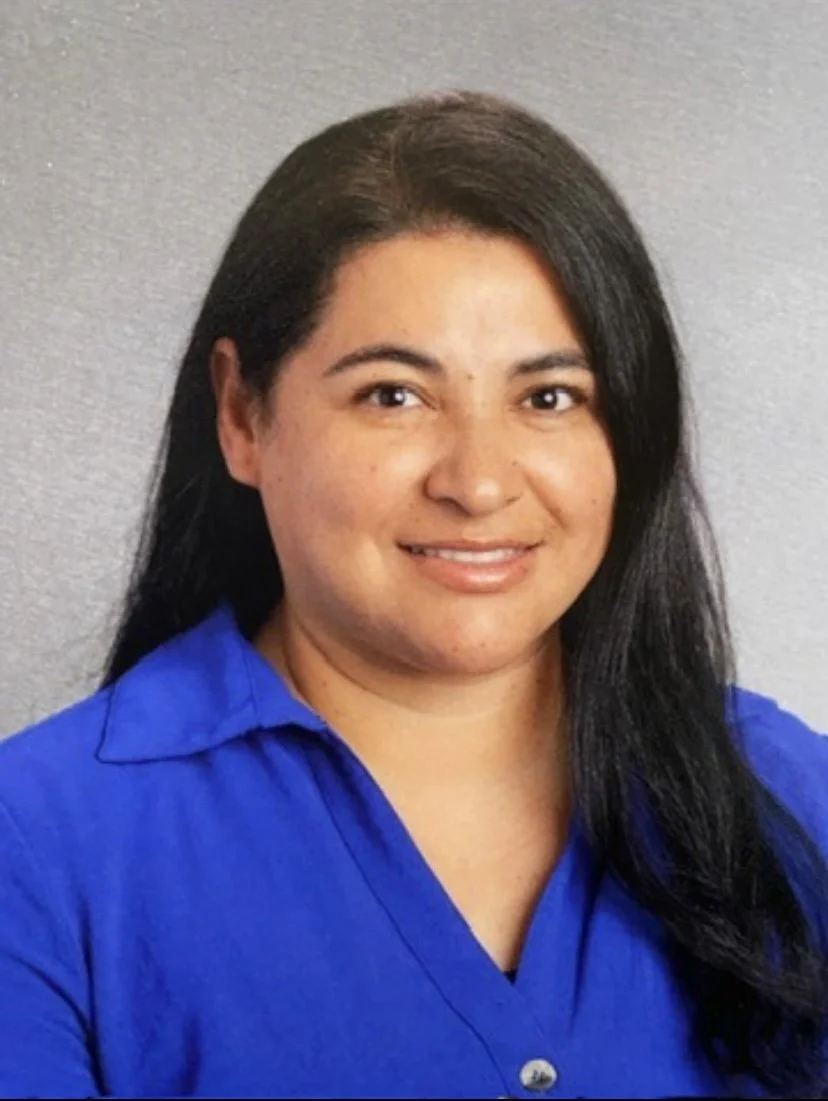
“ROC is not just providing access to nature. It is helping students see themselves, their school, and their community in new ways. The report makes clear that repeated outdoor experiences build joy, belonging, confidence, and opportunities for students to shine.”
Gloria L., Verde parent and teacher, ROC Steering Committee member
Outcome areas and outcomes
-
Increase in understanding of environmental education program content
Increase in social-emotional development and competencies
Increase in engagement in learning
Increase in culturally relevant curriculum
Increased positive attitude toward nature and science learning
-
• Increase in time spent in nature and decrease in time spent on screens
• Increase in connection to nature
• Increase in positive attitudes toward nature and environment
• Increase in comfort and enjoyment to explore outdoor spaces
• Increase in self-agency in the outdoors
• Decrease in fear, anxiety, unknown
• Increase in sense of place and place connection
• Increase in perceived wellness and health as result of being in outdoors
-
• Increase in civic and community engagement
• Increase in self-efficacy
• Increased pro-environmental identity
• Increase in participants’ competence, confidence, character, caring, connection or contribution
• Increased motivation and ability to care for community
• Increase in youth reported positive feelings towards family and community
• Increase in time playing and feelings of joy
• Increased sense of community belonging
-
• Increase in participants who feel welcome and comfortable in outdoor spaces
• Decrease in barriers to accessing nature
• Decreased perception of natural outdoor experiences and/or areas as inaccessible
• Increased knowledge of outdoor opportunities through ROC and community
• Increase in programs honoring pro-justice practices in outdoor spaces
• Increase in (diversity of) OR (pro-justice competencies of) organizational leadership, program staff and mentors
• Increase in culturally aware and responsive programming
reach out
Let us know if you have any questions, input or would like to learn more about our evaluation approach.